Why Civic Activism Clothing Matters for Modern Protest Movements
There is a moment in every protest where the message becomes visual. It happens when a crowd turns a corner and the first thing you see is not a face but a slogan, a symbol, a piece of fabric moving in unison. That is the quiet power of what people wear when they show up for a cause. In recent years, the conversation around protest gear has shifted from simple solidarity to something more strategic. People are thinking harder about what their T-shirts say, who made them, and whether the message will outlast the march.
This shift is where civic activism clothing enters the picture. It is not just about printing a slogan on a cotton shirt anymore. It is about designing garments that carry a political point without shouting over the person wearing them. It is about durability, comfort, and the kind of understated boldness that works both on a picket line and in a coffee shop conversation. The best activist apparel does not preach to the converted. It invites questions from people who might not have thought about the issue before.
The rise of brands like Rise and Revolt has changed expectations around protest gear. They treat T-shirts as canvases for satirical designs that cut through noise. Their approach recognizes that modern activism needs more than anger. It needs wit, clarity, and a visual identity that sticks. When you wear a shirt with a sharp political slogan or a clever silhouette logo, you are doing more than advertising your opinion. You are starting a conversation that might not have happened otherwise.
The Craft Behind the Message
Good activist apparel does not happen by accident. Screen printing, for example, has been a staple of protest movements for decades because it is durable and affordable. But the quality of the print matters. A cheap sticker-print cracks after a few washes, and that sends a signal that the message itself is disposable. Higher-end brands now use screen printing on organic cotton, giving the garment a longer life and a lighter environmental footprint. Unisex sizing is becoming standard, which makes distribution easier and ensures that a shirt fits a wider range of bodies without requiring separate product lines.
The choice of fabric also carries political weight. Organic cotton is not just a marketing term. It means the farmers who grew it were not exposed to synthetic pesticides, and the soil stays healthier for the next season. For a progressive movement that claims to care about environmental justice, wearing a shirt made from conventional cotton undermines that message. People notice these contradictions. Activists are increasingly demanding that their clothing match their values all the way down the supply chain.
When Satire Becomes a Strategy
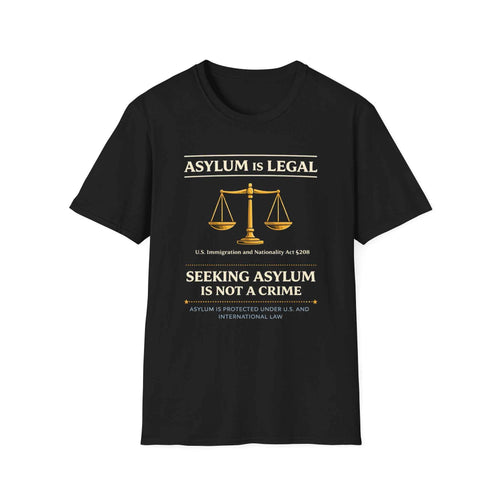
One of the most effective tools in civic activism clothing is satire. A well-designed satirical T-shirt can do what a hundred policy papers cannot. It can make someone laugh, then think, then ask a question. Satirical designs work because they lower defenses. Instead of telling someone they are wrong, the shirt invites them to share a joke, and from there the conversation can go deeper. Rise and Revolt has built a reputation on this approach, using humor to address serious subjects like free speech, civil liberties, and resistance to authoritarian overreach.
Satire also protects the wearer in tense situations. A shirt that makes a point through wit rather than confrontation is less likely to provoke an aggressive reaction from counter-protesters or law enforcement. This is not about diluting the message. It is about choosing a delivery method that keeps the focus on the idea rather than the conflict. The best political slogans are the ones you can still laugh at while standing your ground.
First Amendment Fashion
The First Amendment guarantees the right to free speech, but wearing your beliefs on a T-shirt is a specific kind of expression. Courts have repeatedly ruled that clothing can be a form of protected speech, from students wearing armbands to protest war to activists displaying political symbols on their sleeves. But legal protection does not always mean social safety. Wearing a shirt with a controversial slogan still takes courage, especially in communities where that viewpoint is unpopular.
This is why the design matters as much as the message. A shirt that feels too aggressive might make the wearer a target. A shirt that is too subtle might not communicate at all. The sweet spot is a design that is clear enough to be understood at a glance but clever enough to invite a second look. Silhouette logos, for example, can convey a lot of meaning with very little detail. They work as conversation starters because they leave room for interpretation. The viewer has to fill in the context, and that act of filling in makes the message stick.
Civic activism clothing fills a gap that traditional protest signs cannot. Signs are temporary. They get folded, soaked in rain, and thrown away after the march. A T-shirt can be worn again and again. It goes to the grocery store, the bus stop, the family dinner. Each wear is a new opportunity for someone to see the message and ask about it. That kind of repeated exposure is valuable for grassroots movements that cannot afford billboards or television ads.
Building a Movement Wardrobe
For anyone new to protest gear, the first question is usually where to start. A single well-designed T-shirt with a strong political slogan is enough. It does not need to be loud or complicated. The most effective shirts are often the simplest: a single word, a clear image, a short phrase that sums up a whole position. Over time, people build a collection. They buy shirts for specific causes, for annual rallies, or for the simple reason that a design made them laugh. The wardrobe grows into a visual record of what the wearer has stood for and when.
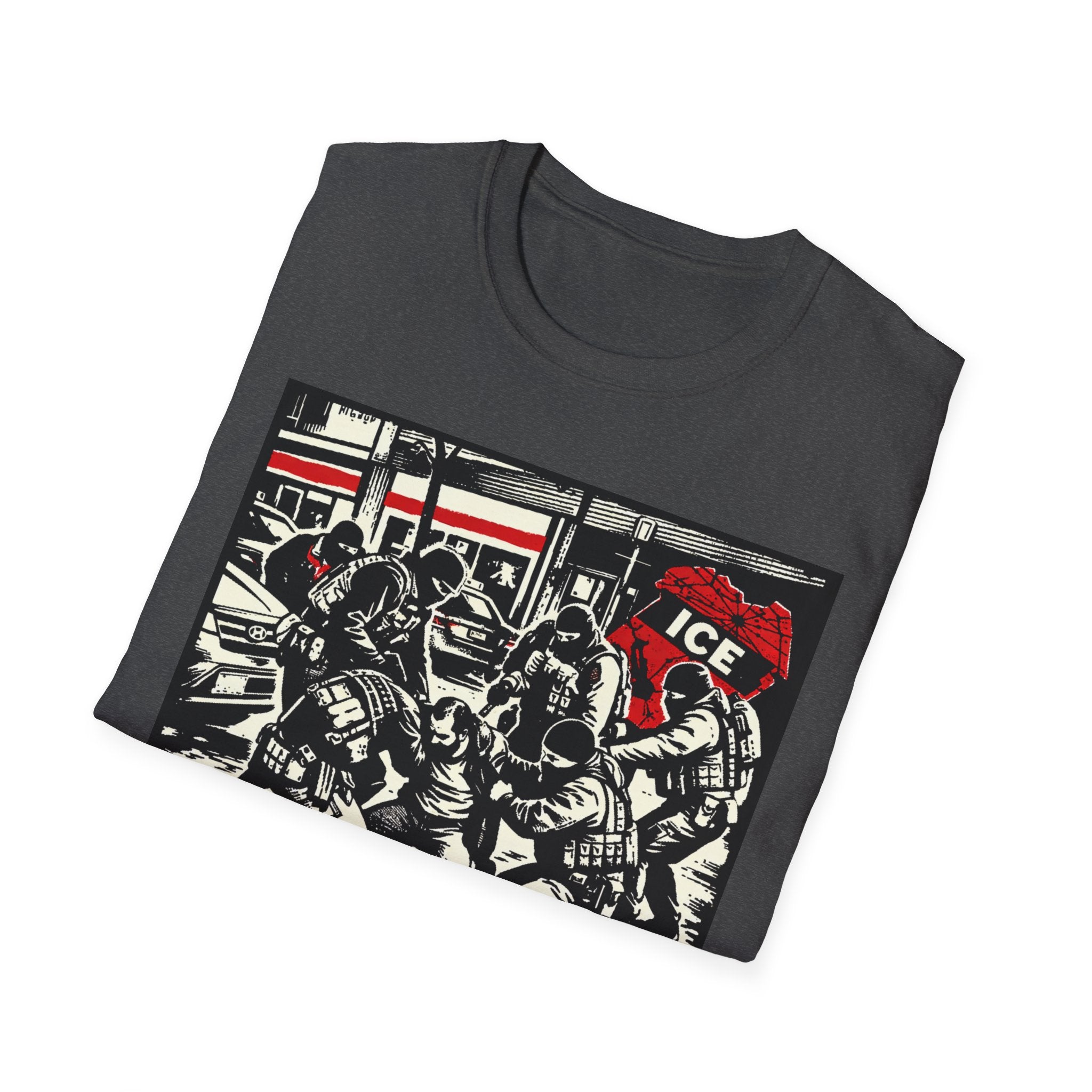
Practical considerations matter too. A good protest shirt should be comfortable enough to wear for hours of walking, standing, or chanting. It should be made from breathable fabric that does not chafe. Pockets are a bonus, because protesters often need to carry phones, water bottles, or snacks without a bag. Dark colors hide dirt and sweat better than light ones, but they also absorb heat. The choice depends on the climate and the duration of the event. Experienced activists learn to plan their outfits the way athletes plan for a long race.
Another factor is layering. A T-shirt is not always enough, especially in colder months. Some brands now offer hoodies and long-sleeve shirts with the same satirical designs and political slogans. These pieces extend the reach of civic activism clothing into all seasons. They also provide a layer of anonymity for people who want to participate without being immediately recognized. A hood can be pulled up, a collar turned. The message stays visible, but the person behind it has some control over how much they are seen.
From the Street to the Voting Booth
Protest gear is not just for the street. It shows up at town halls, community meetings, and polling places. Wearing a shirt with a clear political message signals to others that they are not alone in their views. It creates a sense of solidarity in spaces where people might otherwise feel outnumbered. This is especially important for minority opinions in conservative areas. A single person wearing a shirt with a progressive message can change the atmosphere of a room. It reminds everyone present that the issue is not settled and that people are watching.
The connection between what we wear and how we vote is underappreciated. Clothing is a form of public declaration. It tells your neighbors, your coworkers, and your family what you stand for. Over time, those declarations build a culture of accountability. Politicians notice when a constituency shows up consistently, both at protests and at the polls. The visual identity of a movement reinforces its political power. That is why authoritarian governments often try to ban political clothing. They understand that the fabric itself can be a threat to their control.
Rise and Revolt has taken this idea further by adding coffee to their product line. Coffee is a different kind of protest tool. It is something people share. It fuels late-night organizing sessions and early-morning picket lines. It turns a transaction into a ritual. When the coffee itself carries the same political branding as the activist apparel, it deepens the connection between the product and the cause. Every cup becomes a small act of resistance.
The Future of Protest Fashion
As social justice movements grow more sophisticated, the clothing that supports them will have to evolve too. We are already seeing a move toward sustainable materials, ethical manufacturing, and designs that work across different cultural contexts. The days of cheap, one-off protest shirts are numbered. People want gear that lasts, that feels good, and that reflects the complexity of the causes they support.
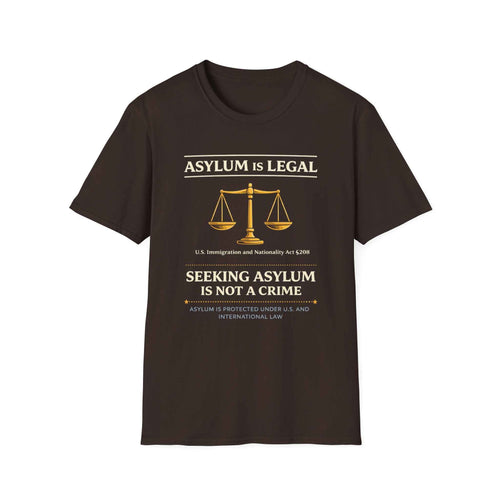
Digital printing technology is making it easier for small brands to produce limited runs of activist apparel without huge upfront costs. That means more niche messages can find their audience. A design about a local zoning fight can reach the people who need it without being drowned out by national politics. This decentralization is healthy for democracy. It allows grassroots movements to develop their own visual language rather than borrowing from larger campaigns.
At the same time, the core purpose of civic activism clothing remains the same: to make the invisible visible. To put a face and a fabric on an idea that might otherwise stay abstract. Every shirt that leaves a warehouse and ends up on a street corner is a small victory for free speech. It is a reminder that democracy is not a spectator sport. It requires participation, and sometimes that participation starts with what you choose to wear.